
 Shop now, pay later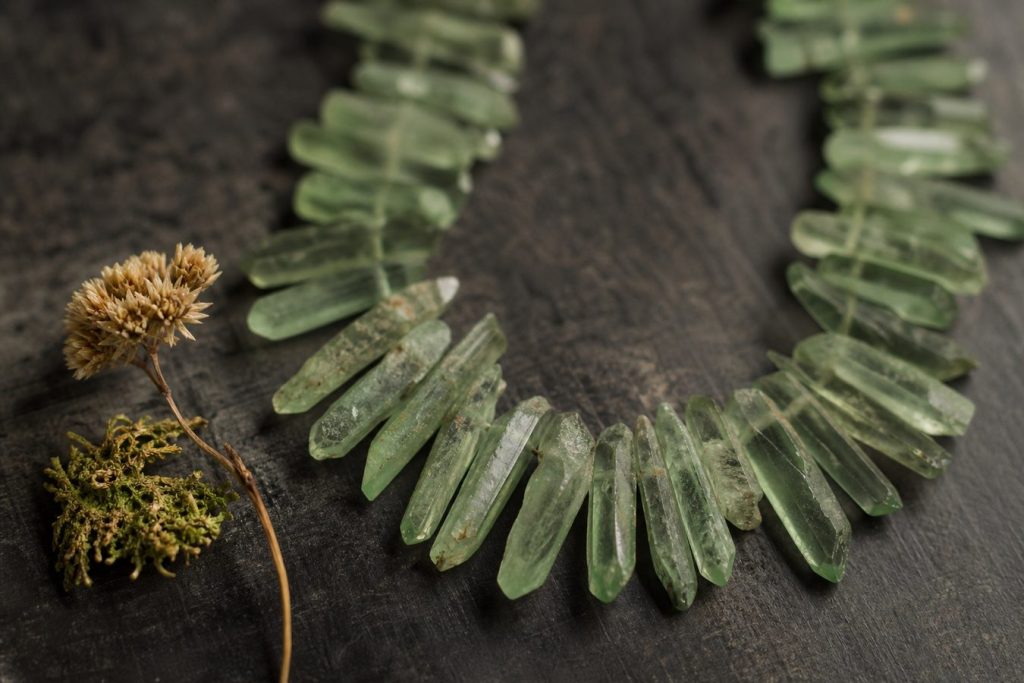
Real crystal jewelry uses natural mineral specimens cut, polished, or left raw, then set in metal you can trust. At SilverRush Style, we’ve been pairing genuine gemstones with .925 sterling since 2005, so we get asked daily how to tell authentic stones from glass, resin, or dyed lookalikes. This guide covers what makes a crystal real, which stones hold up to daily wear, and how settings affect longevity.
What Counts as a Real Crystal
A crystal is a solid whose atoms form a repeating lattice. Quartz, amethyst, citrine, tourmaline, and topaz all qualify because their internal structure is ordered and measurable by X-ray diffraction. Amber and pearl are organic, not crystalline, though they’re often grouped with gemstone jewelry.
Synthetic stones grown in a lab share the same chemistry as natural ones and are still technically crystals. The line most buyers care about is natural versus simulated: a glass bead colored to look like emerald is a simulant, not a crystal at all.
If a listing says “crystal” without naming the mineral species, treat that as a red flag. Reputable sellers identify the stone (amethyst, rose quartz, labradorite) and often the origin.
Quick Authenticity Checks
Natural quartz feels cold to the touch and warms slowly, while glass warms fast. Look for inclusions, color zoning, or small fractures under a 10x loupe; flawless, evenly colored stones at low prices are usually glass or resin. Bubbles inside a transparent stone almost always indicate glass.
Hardness, Origin, and What Wears Well
The Mohs scale measures scratch resistance from 1 (talc) to 10 (diamond). For rings worn daily, aim for Mohs 7 and up. Pendants and earrings take less abuse, so softer stones are fine in those formats.
Here are common stones we set in sterling silver jewelry, with verified hardness and typical sources:
- Amethyst (SiO₂, Mohs 7): purple quartz, mainly from Brazil, Uruguay, and Zambia.
- Citrine (SiO₂, Mohs 7): yellow quartz, most commercial material is heat-treated amethyst from Brazil.
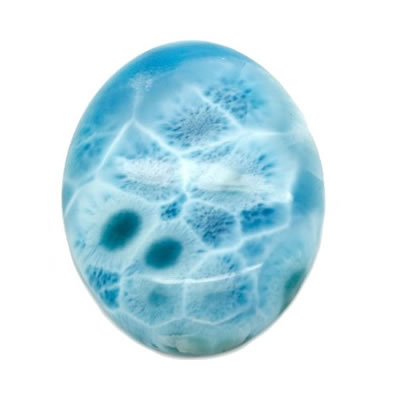
- Labradorite (feldspar, Mohs 6-6.5): iridescent flash from Madagascar and Labrador, Canada.
- Turquoise (CuAl₆(PO₄)₄(OH)₈·4H₂O, Mohs 5-6): porous; US sources include Arizona and Nevada.
- Moonstone (orthoclase feldspar, Mohs 6-6.5): adularescence prized in Sri Lankan and Indian material.
- Garnet (silicate group, Mohs 6.5-7.5): almandine and rhodolite mostly from India and Mozambique.
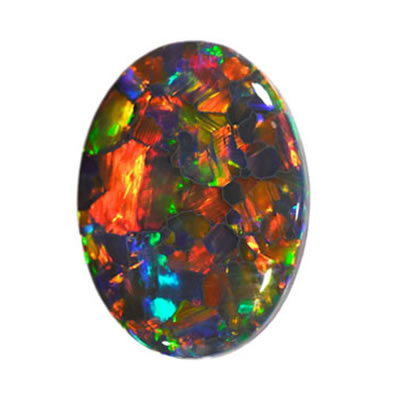
Softer stones like turquoise and opal need gentler handling. Avoid ultrasonic cleaners, household chemicals, and prolonged water exposure for anything under Mohs 7.
Treatments You Should Know About
Most colored gemstones on the market receive some treatment. Disclosure is required by the FTC under the Jewelry Guides, and honest sellers list it.
Heat treatment is standard for citrine, aquamarine, and most blue topaz; it’s stable and accepted. Irradiation produces the deep “London blue” topaz tones. Dyeing is common in agate, howlite (often sold as fake turquoise), and lower-grade jade, and the color can fade or transfer.
Stabilization is routine for turquoise because raw material is chalky and crumbles. Stabilized turquoise is still real turquoise; reconstituted turquoise is ground dust glued back together, which is closer to a composite. Ask which one you’re buying.
Raw Versus Polished
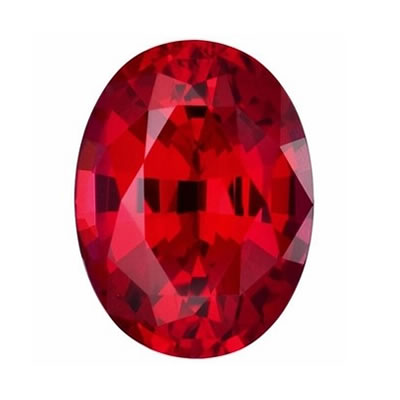
Raw crystal jewelry preserves the natural termination of the stone, so points on clear quartz or kyanite blades stay intact. Polished cabochons and faceted cuts trade that texture for durability and a smoother surface against skin. Both are authentic; pick based on whether you want geological character or refined finish.
Why the Setting Matters as Much as the Stone
A real crystal in a cheap base-metal setting will outlast the mount. Look for .925 sterling silver, marked on the bail, shank, or post. Sterling resists tarnish better than nickel alloys and won’t trigger most metal sensitivities, since the alloy is 92.5% silver and 7.5% copper.
Bezel settings protect softer stones by surrounding the girdle with metal. Prongs show more of the stone but expose edges to knocks, so they suit harder material like garnet or topaz. Wire-wrapped raw points work well for pendants but check that the wire is sterling, not silver-plated copper, which corrodes within months.
Weight is another tell. A solid sterling pendant with a sizeable natural stone has heft; hollow or plated pieces feel suspiciously light for their size. Our full range of sterling silver jewelry with natural stones is hallmarked and tested for metal purity before listing.
Caring for Real Crystal Jewelry
Store pieces separately in soft pouches or a lined box so harder stones don’t scratch softer ones. Diamond at Mohs 10 will mark anything; even quartz at 7 will scratch moonstone and opal.
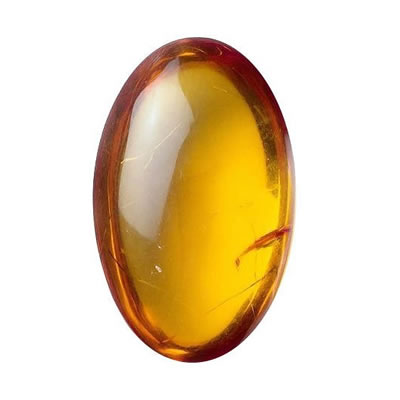
Clean with warm water, mild soap, and a soft brush for stones at Mohs 6 and above. For porous material such as turquoise, opal, and amber, wipe with a damp cloth only. Remove jewelry before swimming, gardening, or applying lotions and perfumes; chlorine attacks sterling alloys and oils dull the polish on cabochons.
Re-polish silver with a sulfur-free cloth. Tarnish is normal oxidation, not a defect, and comes off in seconds with the right cloth.
If you’re shopping for real crystal jewelry and want stones identified by species, origin, and treatment, browse our collection or message us with questions. We’ve been answering them since 2005.