
 Shop now, pay later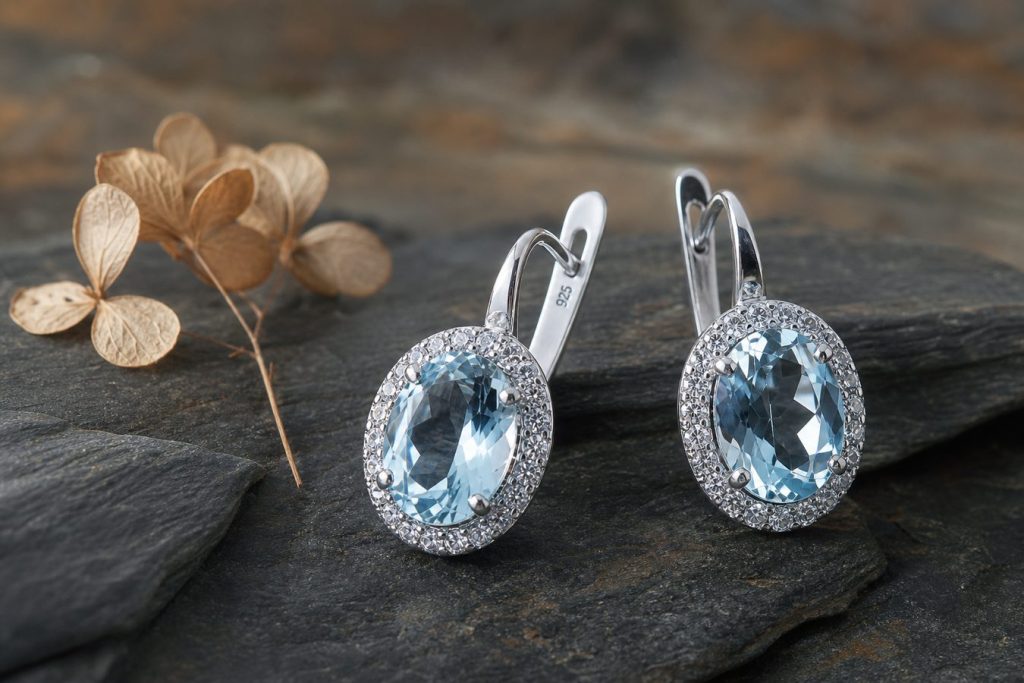
Choosing the best hypoallergenic birthstone earrings comes down to three things: the metal touching your skin, the stone setting, and the post construction. Sensitive ears react to nickel first, so the metal question matters more than the gem you pick. This guide walks through what qualifies as hypoallergenic, which birthstones hold up to daily wear, and how to read a product page before you buy.
What “Hypoallergenic” Actually Means in Earrings
The term is not regulated by the FDA for jewelry, so it describes intent rather than a fixed standard. In practice, hypoallergenic earrings are made from metals with low nickel release, measured against the EU Nickel Directive limit of 0.5 micrograms per square centimeter per week. Materials that typically meet this threshold include surgical stainless steel (316L and 316LVM), titanium (grade 23), niobium, platinum, solid 14k or 18k gold, and .925 sterling silver alloyed with copper rather than nickel.
Plated jewelry is the common trap. A gold-plated brass post can wear through in months, exposing the base metal and triggering contact dermatitis. Solid metal throughout the post and butterfly back is the safer build, which is why our sterling silver jewelry uses .925 silver across the full earring, not just the visible surface.
If your ears react to costume jewelry within a few hours, look for posts stamped 925, Ti, or G23. Avoid pieces labeled “silver tone,” “silver plated,” or “alloy” with no further detail.
Birthstone-by-Month: Hardness and Wear Notes
Mohs hardness predicts how a stone handles daily wear in an earring. Studs sit close to the ear and rarely take hard knocks, so softer stones survive longer in stud form than in rings. Still, hardness affects polish retention and how the stone reacts to hairspray, sweat, and cleaning.
January through June
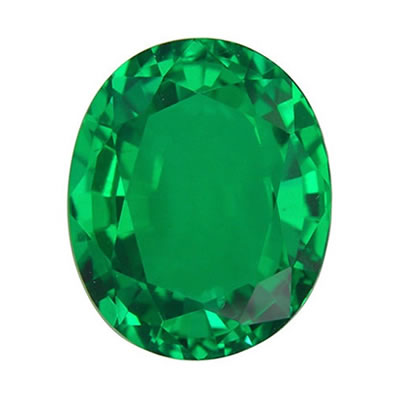
January garnet (Mohs 6.5–7.5) is sourced heavily from Mozambique and India and pairs well with sterling silver bezels. February amethyst (Mohs 7, SiO₂ quartz) comes mostly from Brazil and Uruguay and resists scratching in studs. March aquamarine (Mohs 7.5–8, beryl from Brazil and Pakistan), April white topaz or moissanite as a diamond alternative, May emerald (Mohs 7.5–8 but brittle, treat with care), and June moonstone (Mohs 6–6.5, Sri Lanka and India) round out the first half of the year.
July through December
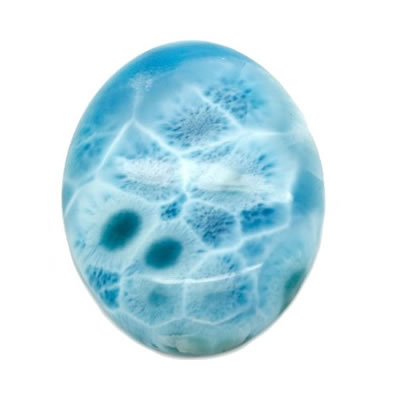
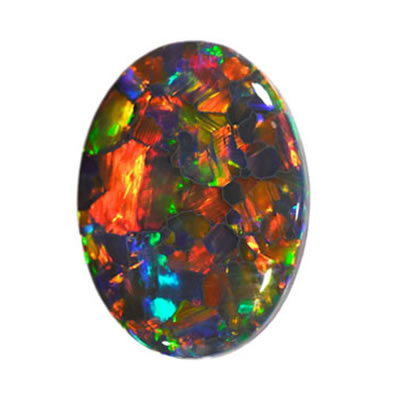
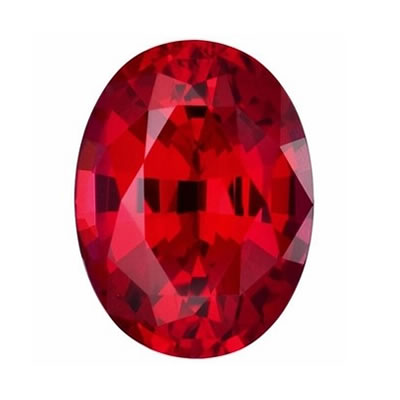
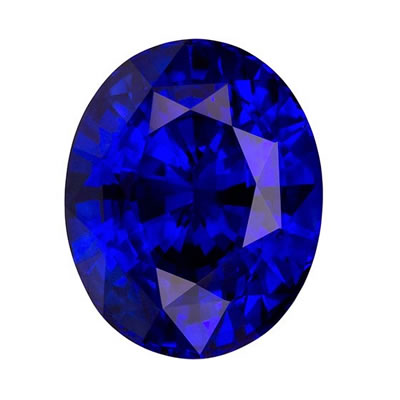
July ruby and August peridot (Mohs 6.5–7, often from Arizona and Pakistan) both work well as studs. September sapphire (Mohs 9, corundum) is the hardest mainstream birthstone after diamond. October opal (Mohs 5.5–6.5, Australian and Ethiopian) needs gentler handling, November citrine (Mohs 7), December turquoise (Mohs 5–6, porous, avoid water and lotion) or blue topaz (Mohs 8) finish the calendar.
For sensitive ears plus daily wear, the practical winners are sapphire, topaz, amethyst, citrine, garnet, and peridot in sterling silver or 14k gold settings.
Post Style, Backings, and Comfort Details
The post is where allergic reactions start. A flat-back labret-style post sits flush against the earlobe and reduces friction, which helps if you sleep in your earrings. Standard butterfly backs work fine for occasional wear but can loosen over time.
Post thickness usually ranges from 0.7mm to 1.0mm. If your piercing was done with a 20-gauge needle (0.8mm), a 0.7mm post will feel loose and a 1.0mm post may not fit at all. Check the listing for gauge, and check that the post and back are the same metal as the setting.
Bezel settings protect the stone edge and keep the back of the earring smooth against the neck, which matters for opal, moonstone, and turquoise. Prong settings show more of the stone but catch on hair and scarves. For a starter pair, a 4mm to 6mm bezel-set stud in sterling silver covers most occasions without snagging.
How to Vet a Listing Before You Buy
Three checks separate a real hypoallergenic pair from marketing language. First, look for the metal stamp or specification: 925, 585 (14k), 750 (18k), G23 titanium, or 316L steel. Second, confirm the stone is named with origin or treatment disclosure, since “birthstone-colored crystal” usually means glass or cubic zirconia rather than the natural gem.
Third, read the return policy. A retailer confident in their materials offers at least 30 days for exchanges if the earrings irritate your skin. Our return window and material disclosures are listed on each product page, and the natural stones in our birthstone collection are identified by species and, where relevant, country of origin.
Price gives one more signal. A pair of solid sterling silver studs with a 5mm natural amethyst or garnet typically runs $30 to $80 in 2026. Listings under $15 that promise “genuine” gems and “hypoallergenic gold” almost always use plated base metal and synthetic stones, which is fine if disclosed and a problem when it is not.
If you want help matching a birthstone to a setting that suits your skin and lifestyle, browse our sterling silver birthstone studs or send us the month and we will point you to a few options worth comparing.