
 Shop now, pay later
Necklaces with meaning give a pendant a second job: looking good and saying something. At SilverRush Style, we have been setting natural stones in sterling silver jewelry since 2005, and the questions we get most often are about symbolism, stone properties, and what makes a piece worth wearing every day. This guide pulls together the facts behind the most requested symbolic necklaces, so you can choose with confidence.
Sterling silver, by US standard, is 92.5% silver alloyed with 7.5% copper. That alloy matters because it holds detail in engraved symbols and bezel-set stones without bending out of shape. The pieces below all share that base, then add meaning through stone choice or motif.
Symbolic Pendants and What They Actually Mean
The Tree of Life shows up across Norse, Celtic, and ancient Egyptian traditions, where it stood for connection between generations and the link between earth and sky. Modern wearers tend to read it as growth, family roots, or resilience. A round silver Tree of Life pendant works well at 20 to 25 mm, large enough to read the branches clearly.
The hamsa, an open-palm motif, traces back to Mesopotamia and is shared across Jewish, Islamic, and North African cultures as a sign of protection. The evil eye, often paired with it, is recorded in Mediterranean cultures as far back as 1500 BCE. Anchors carry a Christian symbolism of hope dating to early Roman catacomb art, while the Celtic knot, with no start or end, reads as continuity.
Hearts, infinity loops, and crosses are the most requested sentimental pieces. They are direct, easy to layer, and pair well with engraved messages on the back of the pendant. If you want a meaningful necklace without explanation, these read at a glance.
Natural Stones and Their Traditional Associations
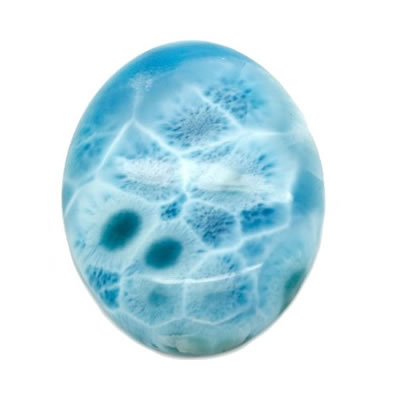
Stone meaning is rooted in mineralogy and history, not magic claims we can verify. Here is what we can say honestly about the most popular gems we set, including hardness on the Mohs scale, which tells you how the stone holds up to daily wear.
- Amethyst (Mohs 7, SiO₂ with iron impurities): purple quartz from Brazil, Uruguay, and Zambia. February birthstone. Long associated with clarity of thought in Greek and Roman writing.
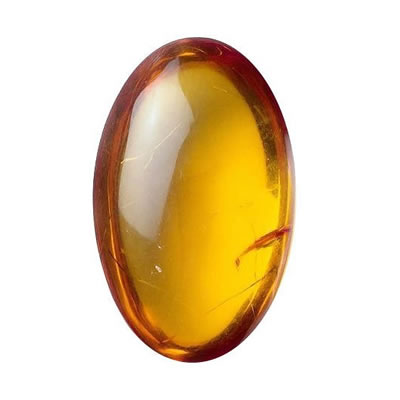
- Citrine (Mohs 7, SiO₂): yellow quartz, mostly heat-treated amethyst from Brazil. November birthstone, linked to optimism in Victorian-era jewelry traditions.
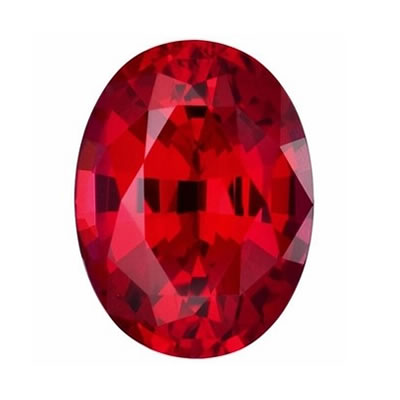
- Garnet (Mohs 6.5–7.5, silicate group): deep red stones from India, Madagascar, and Mozambique. January birthstone, used in Bohemian jewelry since the 1500s as a sign of loyalty.
- Moonstone (Mohs 6–6.5, orthoclase feldspar): adularescent sheen from Sri Lanka and India. Associated with intuition in Roman and Hindu traditions.
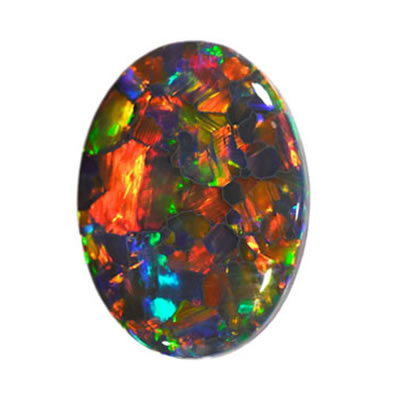
- Tourmaline (Mohs 7–7.5, complex borosilicate): comes in nearly every color, mined in Brazil, Afghanistan, and Maine. October birthstone alongside opal.
- Onyx (Mohs 6.5–7, chalcedony): black banded quartz from Brazil and India. Used in Roman intaglio carvings, read today as grounding.
- Turquoise (Mohs 5–6, hydrated copper aluminum phosphate): blue-green stone from Arizona, Nevada, and Iran. December birthstone, central to Navajo and Zuni silverwork.
The hardness number matters more than buyers realize. Anything below Mohs 6, like turquoise or pearl, should be set in a protective bezel and kept away from chemicals. Stones at 7 and above handle daily wear without scratching from household dust, which is mostly quartz at Mohs 7.
How to Pick a Necklace That Holds Meaning Long Term
Start with the wearer, not the symbol. A piece you can explain in one sentence tends to get worn; a piece that needs a paragraph stays in the box. If the necklace is a gift, anchor it to something concrete: a birth month, a shared trip, a milestone date you can engrave on the back.
Chain length changes how a pendant reads. An 18-inch chain sits at the collarbone and works for most pendants between 15 and 30 mm. A 20-inch chain drops the pendant onto the sternum, good for larger symbolic pieces like a Tree of Life or a hamsa. Layering works best with a 16-inch choker plus an 18- or 20-inch piece, keeping at least two inches between pendants.
Check the setting before the stone. Bezel settings, where silver wraps the full edge of the stone, protect softer gems like moonstone and turquoise. Prong settings show more of the stone but expose corners to chipping, which is fine for harder stones like amethyst and garnet. Our sterling silver bezels are hand-finished so the rim sits flush against the stone, which keeps moisture and lotion from working underneath.
Caring for a Piece You Plan to Wear Daily
Sterling silver tarnishes when the copper in the alloy reacts with sulfur in the air. A quick rub with a polishing cloth once a week keeps the surface bright. For pieces with porous stones like turquoise or opal, skip liquid silver dips, since the solution can stain the stone.
Take necklaces off before showering, swimming, or applying perfume. Chlorine pits silver over time, and sunscreen builds up in chain links. Store each piece in a separate anti-tarnish pouch, which slows oxidation by months compared to open storage.
If you want help matching a symbol to a stone, or sizing a pendant to a chain length you already own, our team has been answering these questions for two decades. Browse the collection when you have a quiet minute, and reach out if you want a second opinion before you buy.