
 Shop now, pay later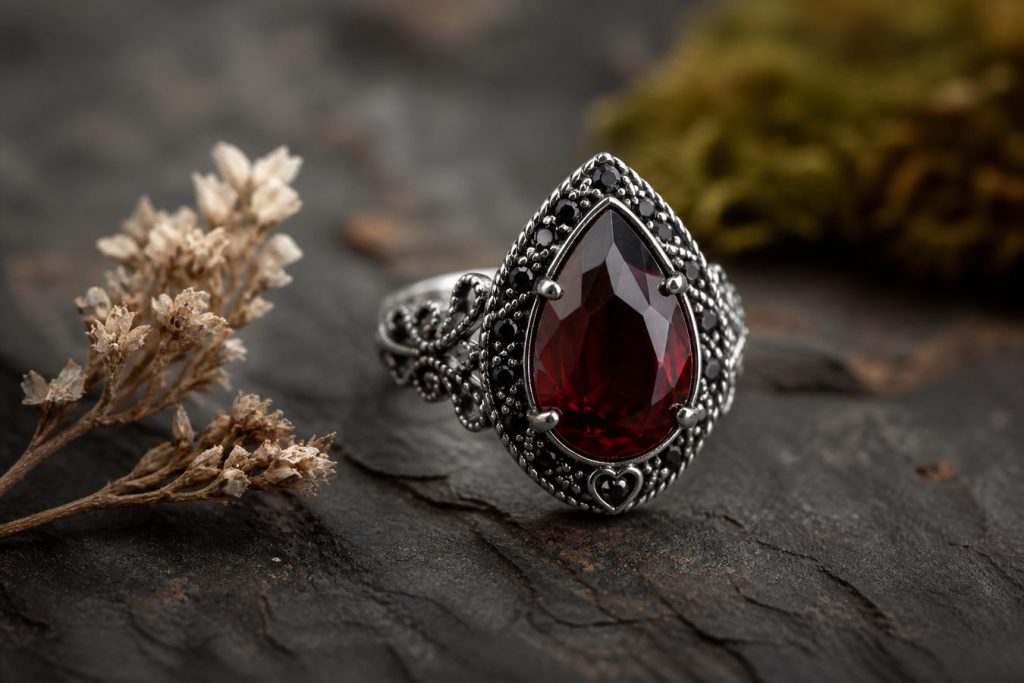
Real silver rings should meet one clear standard: 92.5% pure silver alloyed with 7.5% copper, stamped .925 inside the band. That ratio, set as the sterling standard in 13th-century England and still used today, gives the metal enough hardness to hold a stone without cracking. Anything less than .925 is silver-plated, silver-filled, or a nickel blend dressed up to look the part.
At SilverRush Style, we’ve sold sterling silver rings set with natural stones since 2005. This guide covers what to check before you buy, which stones hold up to daily wear, and how to keep a ring looking right after a few years on your hand.
How to Verify a Real Silver Ring
The first check is the hallmark. Look inside the band for 925, .925, or STERLING. US law under the National Gold and Silver Stamping Act requires accurate quality marks on silver sold as sterling, so a missing stamp on a US-market ring is a warning sign.
A second check is weight. Sterling has a density of 10.36 g/cm³, so a solid band feels heavier than a plated brass copy of the same size. Magnetism is another quick test, since pure silver and copper are both non-magnetic; a ring that pulls toward a magnet contains iron or steel underneath a thin silver layer.
Tarnish, oddly, is a good sign. Real sterling reacts with sulfur compounds in air and skin to form silver sulfide, which shows up as a dark film. Stainless steel and rhodium-plated fakes stay bright because they don’t react the same way.
What the stamps mean
- 925 / .925 / STERLING — 92.5% silver, sterling standard
- 800 — 80% silver, common in older European pieces, not US sterling
- SILVER-PLATED / EP / SP — base metal with a thin silver coating
- NS or ALPACA — nickel silver, contains no actual silver
Natural Stones That Belong on a Silver Ring
Stone choice matters more than most buyers realize, because a ring takes more physical abuse than earrings or a pendant. The Mohs scale ranks mineral hardness from 1 to 10, and for a ring you wear often, aim for 6 or above. Our full range of sterling silver jewelry uses stones sourced from named regions, not lab-grown substitutes labeled as natural.
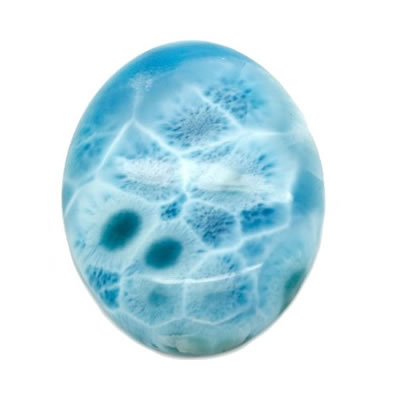
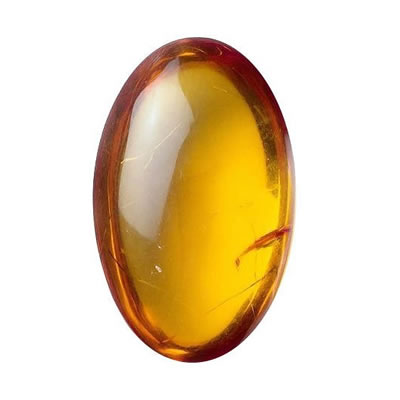
Turquoise from the Sleeping Beauty mine in Arizona sits around 5–6 on Mohs and needs a protective bezel setting. Amber from the Baltic coast is softer at 2–2.5 and works better in cocktail rings you don’t wear daily. Larimar, mined only in the Dominican Republic, comes in at 4.5–5 and should stay away from cleaning chemicals.
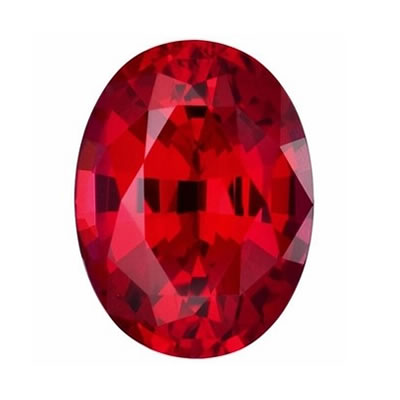
For daily wear, harder stones make more sense. Garnet from Mozambique rates 6.5–7.5, moonstone from Sri Lanka sits at 6–6.5, and lapis lazuli from Afghanistan holds at 5–6 with good density. Onyx, a chalcedony variety, rates a solid 6.5–7 and takes a high polish that pairs well with oxidized silver.
Setting styles and what they protect
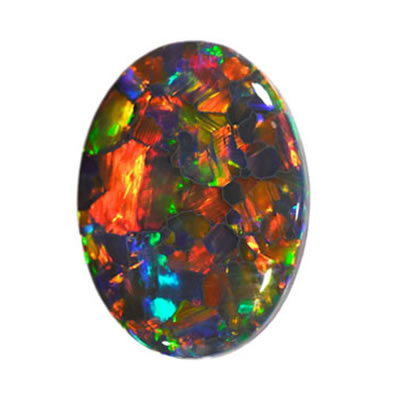
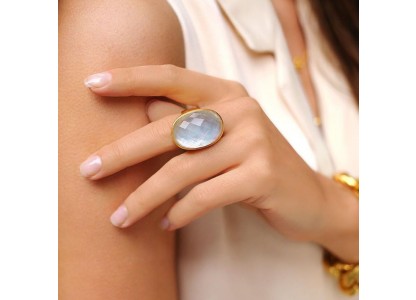
Bezel settings wrap metal around the stone’s edge and shield softer materials like opal or turquoise from chips. Prong settings show more of the stone but leave girdles exposed, so they suit harder minerals such as garnet or topaz. Channel and flush settings sit the stone level with the band, which works well for wide statement rings worn on active hands.
Sizing, Fit, and Long-Term Wear
Silver rings need a slightly more precise fit than gold because sterling is softer and will bend if it’s too loose and catches on things. Ring size shifts through the day by roughly half a size, with fingers largest in late afternoon and after salty meals. Measure at that time, not first thing in the morning.
Band width also changes the fit. A 2mm band in size 7 will feel looser than an 8mm band in the same size, because the wider band covers more of the finger joint. If you’re moving from thin stackable rings to a wide statement piece, go up a quarter to a half size.
Chunky sterling bands, popular in 2026 for both men and women, use more metal and hold their shape longer than thin filigree styles. Our wider bands range from 6mm to 14mm and use solid .925 rather than hollow tube construction, which we mention because hollow silver rings dent under normal pressure. Browse the SilverRush Style catalog for wide-band options with natural stone inlays.
Care That Actually Works
Tarnish removal doesn’t require expensive products. A soft cotton cloth with a small amount of baking soda paste (baking soda plus water at roughly 3:1) will lift silver sulfide without scratching the metal. Avoid abrasive toothpaste, which contains silica particles hard enough to scuff a polished finish.
Store rings separately in anti-tarnish bags or a lined box, since silver rubbing against silver causes surface wear over time. Keep them away from rubber bands, wool, and eggs, all of which release sulfur compounds. Take rings off before swimming, since chlorine at pool concentrations attacks the copper in sterling and can cause pitting within a few hours.
Stones need their own rules. Opals and turquoise absorb water and oils, so clean them with a dry cloth only. Faceted stones like garnet or amethyst tolerate warm soapy water and a soft brush. Our sterling silver jewelry collection includes care notes on each product page so you know which method fits which stone.
If you’re shopping for a first real silver ring or adding to a stack, check the hallmark, ask about stone origin, and choose a hardness rating that matches how you’ll wear it. We’re happy to answer sizing questions over email before you order.