
 Shop now, pay later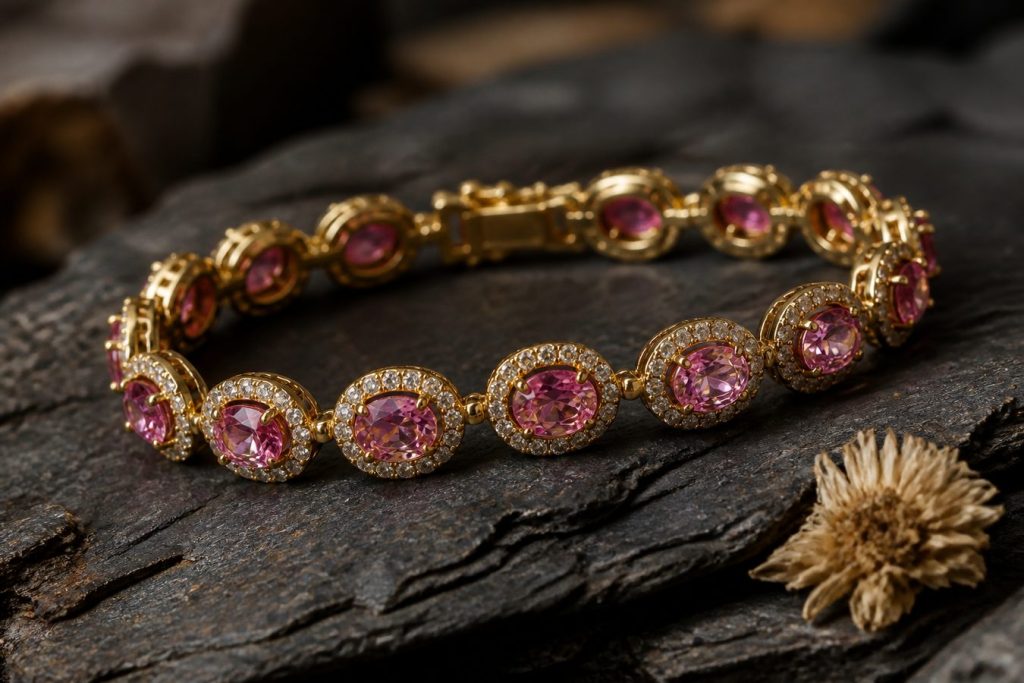
A real silver bracelet starts with one number: 925. That mark means the alloy contains 92.5% pure silver and 7.5% other metals, usually copper, which adds the strength pure silver lacks. At SilverRush Style, every sterling piece we’ve sold since 2005 meets that standard, stamped and verifiable.
This guide covers what makes a bracelet genuine, which chain styles wear best, how to size your wrist, and how to keep the shine for years. No fluff, just the facts you need before you buy.
How to Confirm a Bracelet Is Real Sterling Silver
Look for a stamp reading 925, .925, or STER on the clasp, tag, or inside a cuff. US law requires this hallmark on any item sold as sterling. Pieces without it may be silver-plated brass or nickel alloys that tarnish fast and can trigger skin reactions.
A quick home check: hold a strong magnet near the bracelet. Sterling silver is not magnetic, so any pull suggests a ferrous base metal underneath a thin silver layer. Weight helps too, since solid 925 feels denser than plated alternatives of the same size.
Reputable sellers list metal composition openly. Our sterling silver jewelry collection shows the .925 stamp, gram weight, and any natural stone details on every product page, so you know exactly what ships to your door.
Chain Styles and How They Wear
Chain construction affects durability, drape, and price. Here are the styles you’ll see most often in genuine 925 silver.
Cuban and Curb Links
Cuban links are flattened, interlocking ovals that lie flat against the wrist. Curb chains are similar but slightly rounder. Both handle daily wear well because the tight link structure resists snagging on clothing.
Figaro and Mariner
Figaro alternates one long link with two or three short ones, giving a patterned rhythm. Mariner links feature a center bar mimicking a boat anchor chain. Both styles read as classic men’s or unisex options in weights from 5 to 15 grams.
Tennis, Bangle, and Cuff
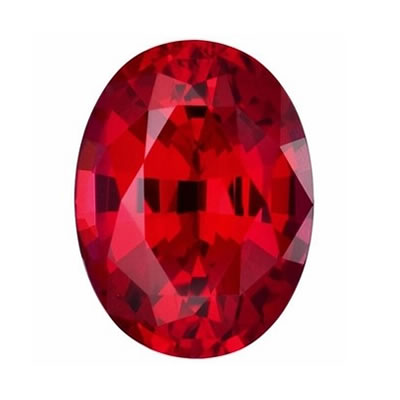
Tennis bracelets set stones in a continuous line, often cubic zirconia or natural gems like garnet (Mohs 6.5-7.5) or amethyst (Mohs 7). Bangles slip over the hand as solid or hinged circles. Cuffs are open-backed and adjust with gentle pressure, though repeated bending weakens the metal over time.
Sizing Your Wrist Correctly
Wrap a soft measuring tape around your wrist just above the bone, snug but not tight. For a comfortable chain fit, add half an inch to that measurement. For a looser drape, add a full inch.
Standard women’s bracelet lengths run 6.5 to 7.5 inches. Men’s sizes typically fall between 8 and 9 inches. Cuffs are measured by the inside circumference plus the gap opening, so a 6-inch cuff with a 1-inch gap fits a 7-inch wrist.
If you’re gifting, a 7.5-inch chain with an extender or a hinged bangle in size medium covers most adult wrists. Our product pages list length options and clasp types so you can match the recipient without guessing.
Caring for Real Silver Bracelets
Sterling silver tarnishes when the copper in the alloy reacts with sulfur in the air, forming silver sulfide on the surface. This dark film is normal and reversible. The rate depends on humidity, skin chemistry, and exposure to lotions, perfumes, and chlorinated water.
Store bracelets in a sealed plastic bag with an anti-tarnish strip when not worn. Keep them away from rubber bands, wool, and cardboard, all of which release sulfur compounds. A cool, dry drawer beats a humid bathroom shelf every time.
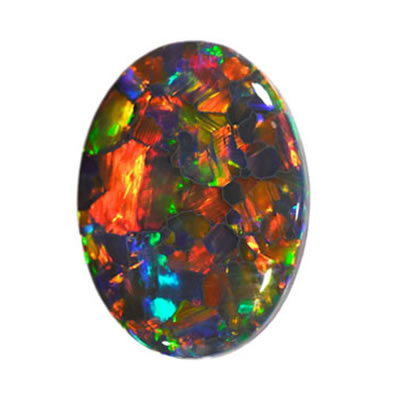
To clean light tarnish, rub gently with a silver polishing cloth treated with a mild abrasive. For heavier buildup, use a soap-and-water wash followed by a soft toothbrush along the links. Avoid dips and pastes on bracelets set with soft stones like turquoise (Mohs 5-6), opal (Mohs 5.5-6.5), or pearl (Mohs 2.5-4.5), since those chemicals can etch the surface.
Natural Stone Pairings
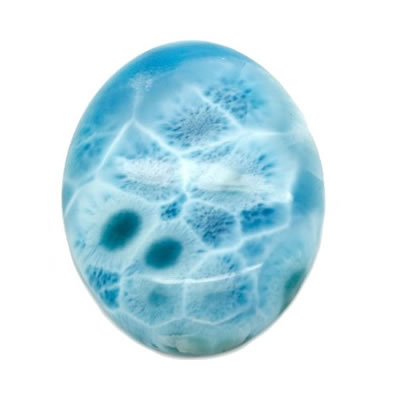
Many of our bracelets feature stones sourced from established mining regions. Amethyst commonly comes from Brazil and Uruguay, larimar is mined only in the Dominican Republic, and turquoise often originates in Arizona or Iran. Each stone’s origin affects color range and pattern, which we note in product descriptions.
Harder stones like topaz (Mohs 8) and garnet suit everyday bracelets that bump against desks and steering wheels. Softer stones work better in occasional-wear pieces or in bezel settings that shield the girdle from impact. Browse our full sterling silver jewelry range to see which stones fit your lifestyle.
What to Expect at Checkout
A real silver bracelet in a simple chain style typically runs $30 to $80 depending on weight and length. Stone-set designs range from $50 for smaller cabochons to $200 or more for larger gems and detailed settings. Prices below $15 for a substantial bracelet usually signal plating rather than solid 925.
Check return windows, hallmark guarantees, and whether the seller lists gram weight. Those three details separate a solid purchase from a regretted one. If you have questions about a specific piece, our customer team has been answering them since 2005.
Ready to find yours? Take a wrist measurement, pick a chain style that matches your daily wear, and browse the collection when you’re set.