
 Shop now, pay later
Southwest style jewelry blends sterling silver with desert-born stones like turquoise, coral, and spiny oyster, echoing the design language of the Four Corners region. The look grew out of Navajo, Zuni, Hopi, and Santo Domingo silversmithing traditions that took shape in the late 1800s after Atsidi Sani learned metalwork around 1853. At SilverRush Style, we’ve stocked this category since 2005 because customers keep asking for silver that carries real weight and stones that show real character.
This guide covers the stones that define the aesthetic, the silversmithing techniques you’ll see on a piece, and how to wear the look without turning it into costume. Every claim here is checkable against gemological references or tribal artisan histories.
The Stones That Define the Look
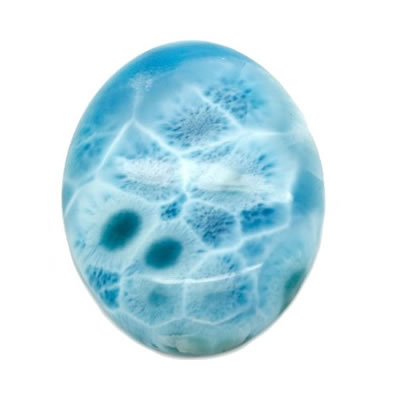
Turquoise is the anchor. It’s a hydrous copper aluminum phosphate with the formula CuAl6(PO4)4(OH)8·4H2O and a Mohs hardness of 5 to 6, which means it needs care around harder surfaces. Color runs from sky blue (higher copper content) to green (higher iron and zinc), with matrix lines from surrounding host rock like limonite or pyrite.
Regional turquoise mines carry distinct fingerprints. Sleeping Beauty from Globe, Arizona is prized for even robin’s-egg blue with little matrix; the mine closed to turquoise extraction in 2012, so remaining stock commands higher prices. Kingman, also Arizona, produces bright blue with black webbing, while Royston from Nevada shows blue-to-green gradients in a single stone.
Red spiny oyster (Spondylus princeps) comes from the Sea of Cortez and pairs with turquoise in classic Zuni inlay. Mediterranean coral was traded into the Southwest starting in the 1800s and remains common in older pieces, while modern makers often substitute apple coral or bamboo coral for conservation reasons. Jet, gaspeite, and sugilite round out the palette.
How to Read a Turquoise Stone
Natural turquoise, stabilized turquoise, and reconstituted turquoise are three different products at three different price points. Natural means untreated. Stabilized means impregnated with clear resin to harden softer material, which is standard and disclosed in the industry. Reconstituted means turquoise powder bound with polymer, and it should always be sold as such.
Silversmithing Techniques You’ll Recognize
Sterling silver (92.5% silver, 7.5% copper) is the base metal for nearly all authentic Southwest work. Our sterling silver jewelry collection follows the same alloy standard used by silversmiths across the region since Atsidi Sani’s era, which is why pieces develop the same warm patina over time.
Stamp work, sometimes called die work, is the oldest decorative method. Smiths hammer hand-cut steel stamps into silver to create repeating motifs: sunrays, arrows, feathers, corn stalks. Navajo silverwork tends toward heavier gauge silver with bold stamping and large single stones, while Zuni work favors precise lapidary and channel inlay with many small cut stones.
Hopi overlay uses two sheets of silver: the top sheet has a design cut out, the bottom is oxidized black, and the two are soldered together for a two-tone graphic effect. This technique was developed after World War II through a GI Bill silversmithing program at the Hopi Cultural Center, so it’s a documented 20th-century innovation rather than an ancient one.
Squash Blossom and Naja
The squash blossom necklace features round silver beads, flared “blossom” beads (likely adapted from Spanish-Moorish pomegranate designs), and a crescent pendant called a naja. The naja shape traveled from Moorish Spain to Mexico to the Southwest via the Spanish colonial trade, and Navajo smiths adopted it by the 1880s. A traditional piece uses 8 to 12 blossoms plus the naja.
Wearing Southwest Style Today
The pieces are heavier than mall jewelry, which changes how you wear them. A single wide silver cuff with a good turquoise cabochon reads stronger than three delicate bracelets stacked together. Let the piece do the work against a plain shirt, denim, or a solid dress.
For layering necklaces, mix lengths rather than styles: a 16-inch choker with stamped conchas, a 24-inch strand of heishi (hand-rolled shell beads from Santo Domingo Pueblo), and a longer squash blossom. Keep earrings smaller if the necklace is a statement piece. Rings can go bigger since hands handle scale well.
Care matters because turquoise is porous and soft. Take rings off before washing hands with soap, applying lotion, or swimming in chlorinated water, since detergents and pool chemicals discolor the stone. Store pieces flat in a soft pouch, and clean silver with a polishing cloth rather than dip solutions that attack the stone.
Authenticity and Sourcing
The Indian Arts and Crafts Act of 1990 makes it a federal offense to sell non-Native jewelry as Native-made in the United States. Southwest-style jewelry made by non-Native silversmiths is legal and often excellent, but it should be labeled that way. Look for hallmarks, ask about the stone’s mine of origin, and expect stabilized turquoise to cost less than natural.
If you’re building a first collection, start with one silver-and-turquoise cuff in a gauge you’ll actually wear, then add a pair of post earrings, then a pendant. Browse our Southwest-inspired silver pieces when you’re ready, and reach out if you want help matching a stone color to your wardrobe.